The Ultimate Locksmith Memes Fest: Real Problems, Real Laughs
%20(1).webp)
Locksmith life is a mix of urgency, unpredictability, and moments that turn into locksmith memes only after they’re over. From “emergency” calls that aren’t emergencies to lockouts at impossible hours, every locksmith meme delivers stress and stories in equal measure. Roughly 14,790 Americans make a living cracking safes, fixing locks, and rescuing keys from bad decisions.
This funny locksmith meme fest isn’t just for laughs. Each moment reflects a real operational problem locksmiths face every day and the quiet systems that can turn chaos into control. Laugh first. Learn something useful. Get back to work a little smarter.
1. Every Call Is an Emergency
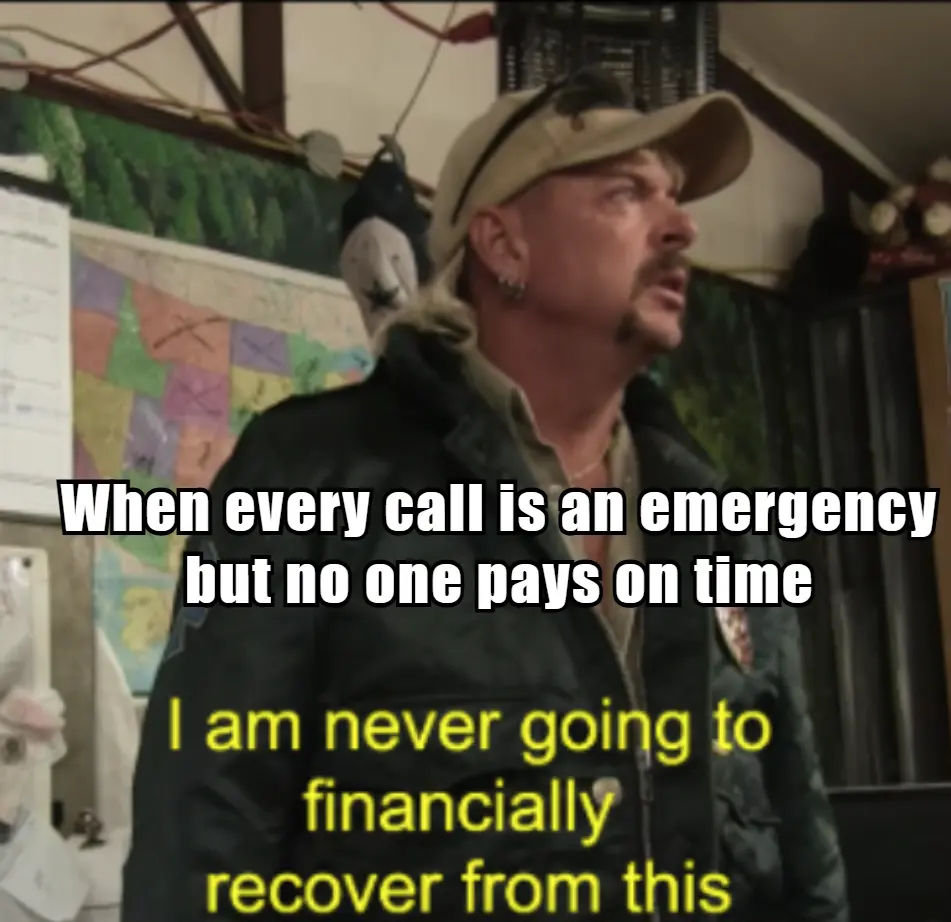
Customer: “Sir, it’s an EMERGENCY.” Reality: They forgot their keys… again.
In emergency service businesses, every call sounds like the world is ending. The customer is stressed, the voice is urgent, and you react like it’s a disaster movie. You reroute technicians, skip lunch, and rush to the site only to discover the “emergency” could’ve waited an hour.
Later, when the bill goes out, the emergency mysteriously recovers. Phones go silent. Payments get “delayed.” Now you’re the one chasing, not laughing. With Field ProMax, calls are automatically tracked, so nothing slips through the cracks.
The joke stops being funny and becomes a locksmith meme when customers decide what’s urgent. Real emergencies wait in line, technicians burn out, and your pricing power disappears. Cash flow starts playing hide-and-seek.
That’s where smart service software quietly fixes the chaos: it tags real emergencies vs. drama, applies higher prices, applies to urgent calls, and asks for advance payment before dispatch. No payment, no panic.
The result? Fewer fake emergencies, faster real responses, calmer technicians, and a business that finally gets the last laugh.
2. Juggling Calls, Paperwork & Sanity
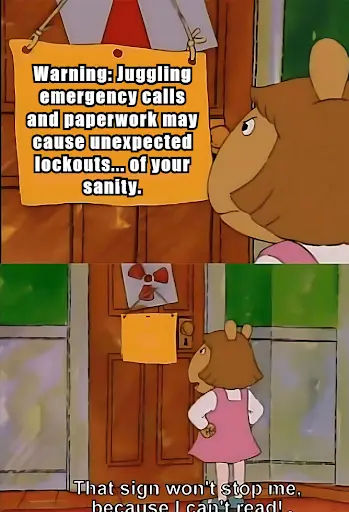
Running a Locksmith business feels like doing five jobs at once. One minute you’re a dispatcher handling emergency calls, the next a technician fixing problems, then an accountant checking payments. Somewhere along the way, you also become a therapist for stressed customers and staff.
Meanwhile, paperwork starts piling up. Job notes sit on sticky papers, invoices are half-done, and schedules live only in your head. You finish the day exhausted, not because the work is hard, but because your brain never stops switching roles.
Miss one call, forget one detail, or delay one invoice, and the whole system feels fragile. Field ProMax centralizes schedules, invoices, and technician updates to prevent this chaos. It looks like “being busy,” but it’s really controlled chaos.
When everything depends on you, growth slows and stress multiplies. Service management software fixes this by putting calls, jobs, and invoices in one dashboard, auto-creating job cards, and replacing manual paperwork.
The result? Fewer mental tabs open, and a business that runs even when you step away.
3. “Quick Lock Change” That Takes 4 Hours
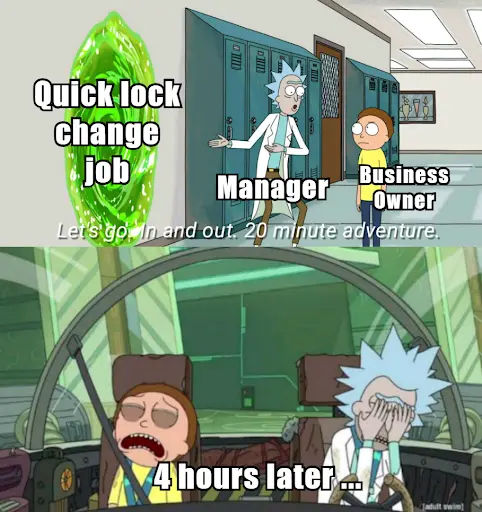
It starts with confidence. The manager says, “Easy job. In and out, 20 minutes.” The technician agrees. The customer relaxes. The schedule feels solid.
Then reality hits. The lock is discontinued. The doorframe is warped. The hardware refuses to cooperate.
Four hours later, the technician is rethinking life choices, the customer is refreshing their phone, and the rest of the day’s jobs are late. That “quick win” quietly breaks the entire schedule.
Nothing actually went wrong. The plan was just built on optimism instead of reality.
Bad scheduling creates stress and erodes trust. One hopeful estimate turns into rushed work and repeated apologies.
The fix is simple. Add buffer time to small jobs. Use real-time job and technician updates to keep customers informed. Base estimates on job history, not guesses.
When schedules reflect reality, teams stay calm, and “quick lock changes” stop becoming four-hour surprises.
4. Locksmith Owner Before Coffee
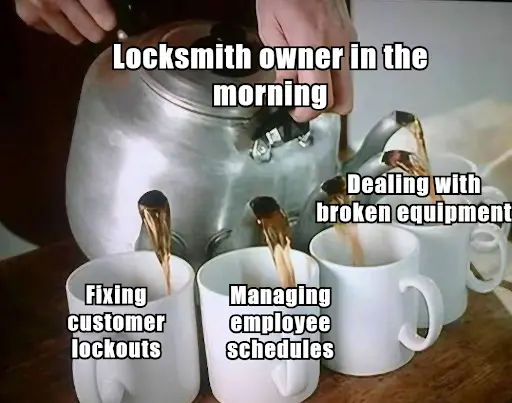
The day starts early. A lockout is waiting. A tool breaks. One tech calls in sick. Another is stuck in traffic.
Before the first sip, the schedule is already on fire. Running the business feels more like crisis control than planning, a situation so real it could fill a dozen locksmith memes.
The truth is, none of this is random. Untracked issues repeat. Maintenance alerts prevent tool failures. Clear staff availability reduces last-minute chaos. Issue tracking fixes problems once instead of every morning.
When systems work first, coffee goes back to being a ritual, not a rescue plan.
5. “Why Don’t You Remember My Appointment?”
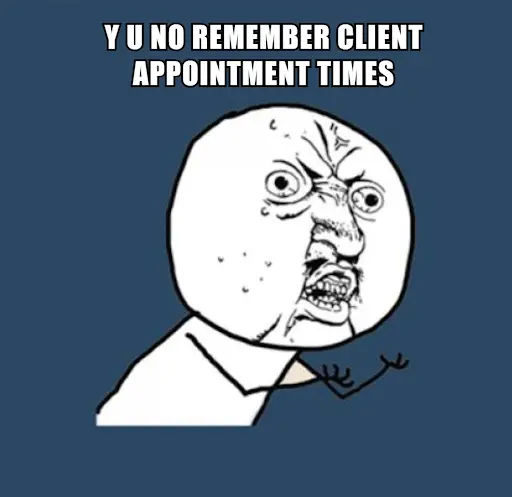
The call comes in angry. “Why didn’t anyone show up?”
You check the schedule. The appointment is there. Then the truth appears. The customer forgot the date. Forgot the time. Forgot the booking entirely.
Now, a no-show has turned into your fault.
People forget. When reminders rely on memory or manual follow-ups, missed appointments are inevitable. That wastes technician time, disrupts schedules, and hurts trust.
The fix is simple. Automated SMS or WhatsApp reminders before and on the day of the job. A notification when the technician is on the way. Easy calendar saves or one-click rescheduling.
When reminders run automatically, fewer visits are missed, and conversations stay calm.
6. Third “Emergency” Lockout This Week
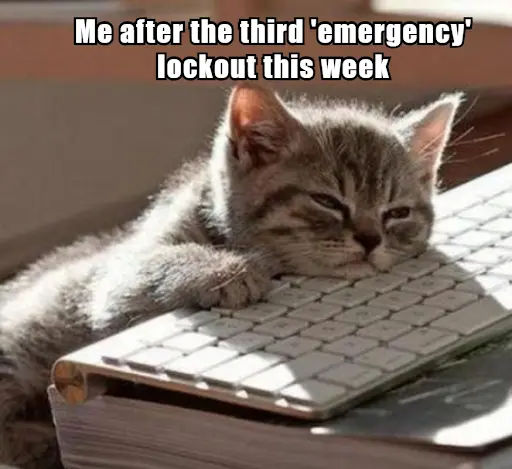
The first emergency feels urgent. The second feels familiar. By the third one this week, the owner is eyeing the keyboard like it might work as a pillow, classic funny locksmith meme energy.
Every call is “critical.” Every request is “right now.” Sleep disappears, patience runs low, and work hours quietly erase personal time.
The problem is not demand. It is the lack of boundaries.
When everything is treated as an emergency, burnout follows, and service quality drops. A business that never rests eventually pays for it.
The fix is structure. Route after-hours calls so only true emergencies get through. Rotate emergency duty across the team. Set clear late-night pricing to filter urgency and protect effort.
With boundaries in place, real emergencies get handled well, teams stay healthy, and midnight calls stop draining the business.
7. The 3 AM Emergency Call
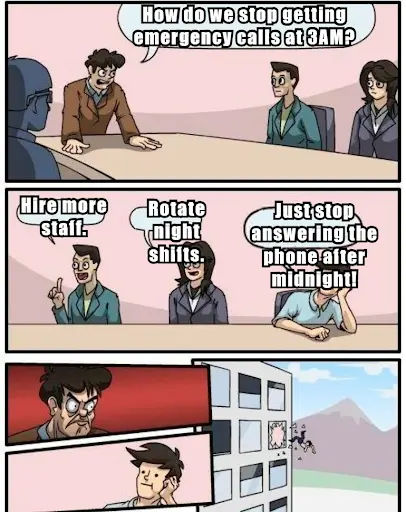
The team says, “Just hire more staff.” Reality: the phone still rings at 3 AM. Same urgent call. Same sleep disruption.
More people don’t fix a system that lets everything through. Without filters, every late-night ring feels like a crisis. Using Field ProMax, after-hours calls are screened automatically, so only real emergencies reach your team.
Boundaries can’t rely on willpower. If the system lets calls reach humans anytime, it will. Owners and on-call techs stay on edge.
The fix: smart screening. IVR confirms emergencies before the team answers. Non-critical calls go to business hours. Escalation triggers only for verified emergencies.
With technology enforcing boundaries, nights stay quiet, real emergencies get attention, and teams can finally rest.
8. Chasing Unpaid Invoices 💸🏃♂️
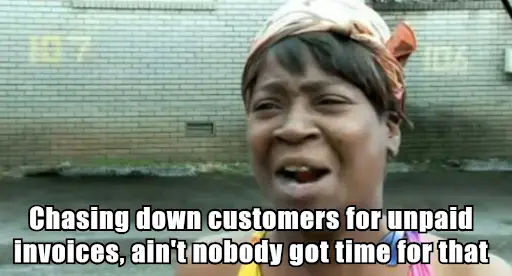
Job’s done. The customer’s happy. You breathe… then remember: the invoice hasn’t been paid.
Cue the chase. Calls, texts, and emails. The technician juggles tools in one hand and payment follow-ups in the other. Hours vanish hunting for money instead of growing the business.
Late payments hurt more than cash flow; they disrupt planning, morale, and focus. A team chasing money can’t focus on service or growth.
The fix: automation. Instant invoicing links the service to payment. Automated reminders keep customers on schedule. Card and wallet integrations simplify transactions, and late fees encourage timely payment.
When invoices flow smoothly, the team stays focused, customers pay on time, and the business moves forward.
9. Technicians hear ‘cancel sleep.’
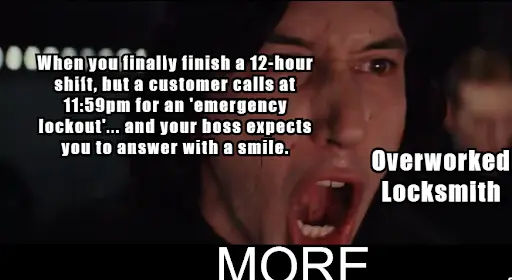
This hits because it’s real. You’ve just wrapped up a 12-hour shift. You’re mentally clocked out. Then at 11:59 PM, ring ring. “Sir, it’s an emergency.”
You answer anyway. With a smile. Because that’s the job.
The problem isn’t the work. It’s the assumption that everything after hours is urgent and everyone is always available. A lockout, a minor issue, a “quick check”, same panic, same response, same sleep lost.
Over time, this becomes normal. Technicians stay exhausted. Service quality slips. Owners spend nights reacting instead of running the business. Burnout doesn’t arrive suddenly; it shows up one late call at a time.
This is where systems quietly save people. After-hours call screening filters real emergencies from routine requests. On-call rotations spread the load instead of burning out the same technician. Clear rules protect rest time without hurting customer trust.
The irony? Real emergency service only works when boundaries exist. When structure steps in, teams stay sane, customers get faster help, and “urgent” finally means urgent.
10. When Paperwork Feels Like a Boss Battle
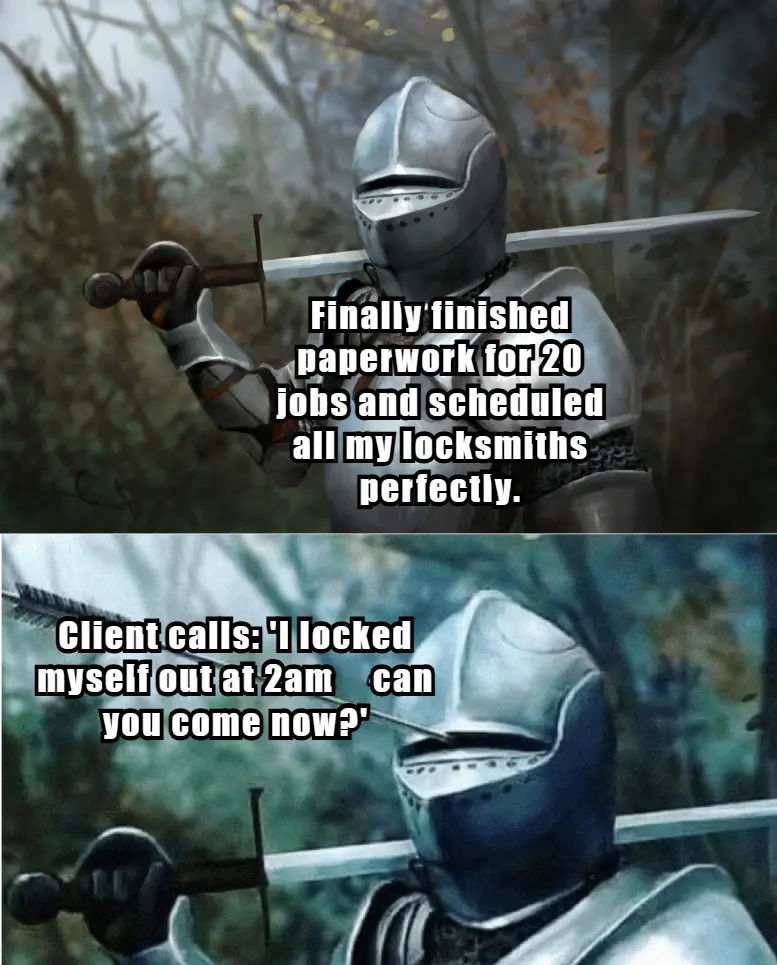
This is funny because it’s real. You finally finish the paperwork for 20 jobs. Schedules are perfect. The day feels won.
Then the phone rings. “Hi, I locked myself out at 2 am. Can you come now?”
Instant chaos. That perfect plan collapses. One call and everything needs to be reshuffled, rewritten, and re-explained.
The problem isn’t the emergency; it’s that planning lives in spreadsheets, memory, and manual updates. Every surprise turns into extra work.
Good software changes that. Jobs update in real time, schedules adjust automatically, and emergencies don’t ruin your entire day.
The takeaway? With the right system, even a 2 am call is just another task, not a boss fight.
11. When Scheduling Goes Wrong
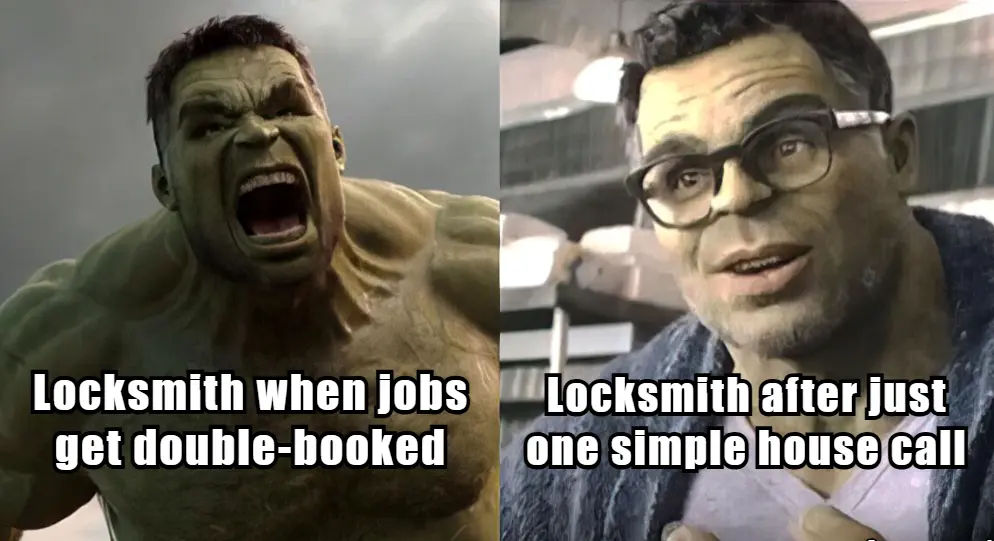
This feels funny because it’s painfully real, pure locksmith meme material. One double-booked job, and suddenly the locksmith turns into the Hulk. Calls overlap, customers get annoyed, and stress spikes fast.
Then compare that to a properly scheduled day. One clear job. One smooth house call. Calm, focused, and human again.
The difference isn’t skill or effort; it’s scheduling. When jobs are managed manually, overlaps happen, tempers flare, and everyone loses time. One small mistake turns the whole day chaotic.
Good service software keeps the day calm before it turns into chaos. Jobs don’t collide, schedules stay realistic, and technicians move through the day without rage mode.
The takeaway: fewer double bookings, happier locksmiths, and a business that runs smoothly, no smashing required.
12. When “I’ll Do It Myself” Doesn’t Go as Planned

This feels funny because you’ve seen it too many times. The client asks for a quote, nods politely, and says they’ll “think about it.” A few hours later, confidence strikes. A DIY video is watched. Tools come out.
Then the phone rings. “Can you come fix it? It’s… worse now.”
What was a simple job is suddenly more complicated. The work takes longer, the damage is bigger, and somehow you’re still expected to be gentle about the bill.
The real issue isn’t DIY; it’s the unclear process. No approved quote. No confirmed scope. Just optimism and hope, holding things together.
Good service Software quietly prevents this chaos. Quotes are sent, approved, and locked in. Job details are clear. No guessing, no awkward conversations, no “fixing the fix.”
DIY saves money until it creates a second job. Clear approvals save time and sanity and spare you from fixing confidence-fueled mistakes.
13. Two Ways to Fix a Lock

This is funny because it’s true. One approach follows every protocol, best practice, and step. Calm, precise, and professional.
The other approach? Hit it until something happens.
Both might open the door, but only one avoids broken locks, damaged doors, and awkward explanations later.
The difference isn’t strength or speed. It’s a process. Without structure, every job becomes a gamble, and every “quick fix” risks turning into a bigger repair.
Good systems support doing it right the first time with clear job details, proper diagnostics, and pricing that reflects skill, not guesswork.
14. The One Thing Locksmiths Dream Of
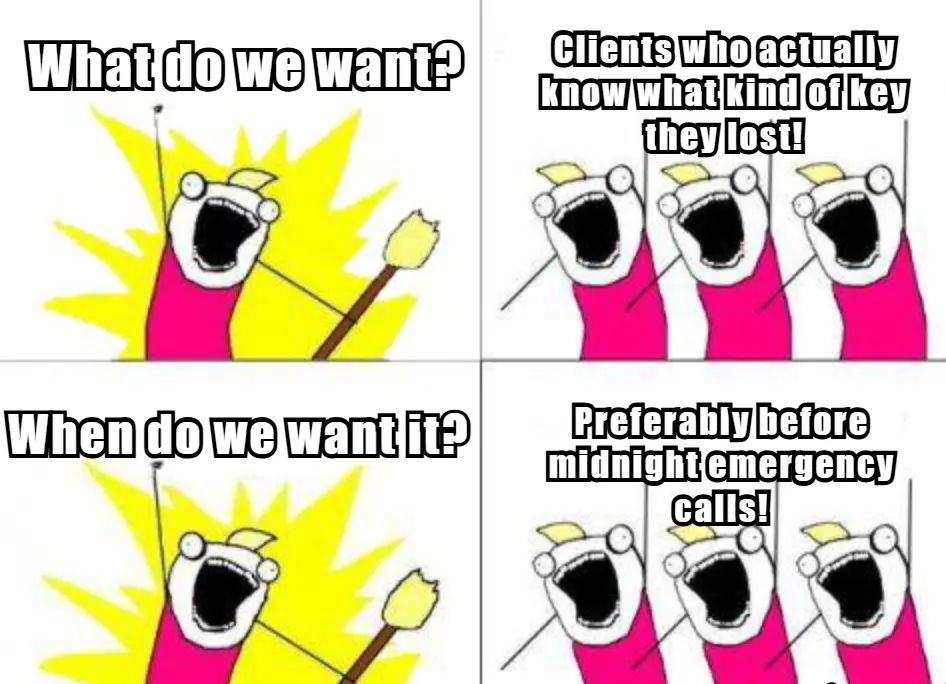
This meme feels unrealistic… because it is. Clients who actually know what kind of key they lost. Even better than calling at midnight and calling it an emergency.
Most calls start the same way: “I lost my key.” Which key? “… I don’t know.”
Now it’s guesswork. Van inventory roulette. Extra time on-site. And a job that could’ve been simple turns into a late-night mystery.
The issue isn’t the customer; it’s timing and information. When details come after the emergency call, everyone pays in time, stress, and sleep.
Good systems help here, too. Job intake captures key types, photos, and location upfront. Calls get filtered. Emergencies stay emergencies, not surprise quizzes at 2 am.
15. What Customers See vs What Actually Happens

On the surface, it looks simple. Unlock one door. Problem solved. Five minutes, right?
What they don’t see is everything below the waterline. The calls, follow-ups, scheduling, travel time, job notes, invoices, payments, and the late-night “just one more thing” messages. One small job floats on top of a whole lot of admin underneath.
That’s where service businesses really feel the weight. The work isn’t just physical; it’s operational. And when all of that runs manually, even a quick door unlock becomes surprisingly heavy.
Good systems melt the iceberg. Calls are logged, jobs are tracked, paperwork is digital, and billing happens without chasing. The work stays the same, but the load feels lighter.
16. When Growth Finally Clicks

This is what it feels like when you unlock a whole new market. More leads, more calls, more momentum, and suddenly the business is moving fast.
But behind the hype, growth only feels this smooth when systems are ready. Otherwise, more jobs just mean more chaos, missed calls, messy schedules, and late-night panic.
The win isn’t just new customers. It’s having the setup to handle clear workflows, smart scheduling, clean billing, and zero guesswork.
Every Call Is an Emergency
You finally sit down. Shoes off. Brain off. Then the phone rings at 2 AM.
Someone had to lock themselves out. And suddenly, your “night off” is a myth.
Running a locksmith business means emergencies don’t check the clock. But when everything depends on you, every late-night call hits harder than it should.
The real problem isn’t the call. It’s being the dispatcher, technician, and sleep-deprived hero all at once.
If your business wakes you up at 2 AM, it’s not dedication; it’s a system problem.
Automate calls. Route jobs. Protect your nights. Because even superheroes need sleep.
For more information, contact Field Promax
We're here to help you get started
Frequently Asked Questions

Content Creator
Bhargavi Halthore is a content writer at Field Promax, a field service management platform serving trades businesses across the USA and Canada. With over a decade of experience writing for business owners, she brings detailed, ground-level insight to every topic she covers. Her research goes beyond search results - she digs into LinkedIn groups, Facebook communities, and Reddit forums to understand what field service business owners are actually dealing with on the ground. She speaks directly with industry professionals, understands their day-to-day challenges, and translates that into content that is practical and actionable. What you read in her articles reflects real industry patterns, not theory.