Best Field Service Practices for Dock and Waterfront Maintenance Teams
.webp)
Taking care of docks and waterfront areas is not easy. Water, weather, sunlight, and daily use slowly weaken every part of a dock. Wood can rot, metal can rust, and aluminum can bend. Even small damage grows fast when it is close to water. Because of this, field service teams must follow safe and smart practices to keep marinas, piers, and private docks in good shape.
Good maintenance makes a dock last longer and keeps visitors safe. It also helps dock owners avoid big repair bills. According to a recent forecast, the global docks market was valued at USD 1.88 billion in 2024, and it is expected to reach USD 2.58 billion by 2033. This shows how much the industry is growing and how important proper care has become.
This guide explains the best steps that field teams can follow to care for docks in a simple and effective way.
1. Main Challenges in Dock and Waterfront Maintenance
Waterfront maintenance comes with many challenges. Water, weather, and daily use cause slow damage that is hard to notice at first. If these issues are not checked on time, the dock can become unsafe for workers and boat owners.
a. Water Damage That Builds Up Over Time
Water is the biggest reason problems begin. Wood stays wet for long periods and starts to rot. Metal parts rust when water touches them again and again. Mold and algae grow on damp surfaces and make the dock slippery. Even screws and joints loosen slowly as the dock moves with the waves.
b. Weather That Changes the Dock Structure
The weather also plays a big part in dock damage.
-
Winter colds can freeze floating docks and cause cracks.
-
Summer sun has strong UV rays that weaken wood and plastic.
-
Storms create large waves that hit the dock with force.
-
Busy seasons bring more foot traffic and heavy use.
These changes put stress on walkways, joints, ladders, and boat loading areas.
c. Safety Risks for Workers
Safety is another major challenge. Slippery surfaces, moving boats, and changing water levels create many risks. Workers need to stay alert at all times. Electrical systems near water also need extra care. One small mistake can become dangerous.
d. Hidden Problems Below the Surface
Many problems start in places that are hard to see. Some cracks hide under the dock. Pilings and metal parts under the water may weaken without warning. Since these areas are not visible, they may fail without signs. This is why regular checks are important, even when the dock looks normal on top.
2. Best Practices for Dock and Waterfront Teams
Dock care becomes easier and safer when field teams follow the right steps. These practices help keep the dock strong all year.
a. Do Regular Inspections
Regular inspections are the most important part of dock care. Walking along the dock and looking closely helps you find early signs of damage before they become costly problems.
b. Check for things like:
-
Soft or loose planks
-
Wood that looks dark, cracked, or rotten
-
Rust on nails, screws, or metal parts
-
Bent or weak aluminum sections
-
Loose, missing, or shaky bolts
-
Damaged floats or floats sitting too low.
-
Cracked or worn joints
-
Weak spots where the dock connects to the land
c. Give extra care to:
-
High-use areas where many people walk
-
Edges where boats tie up
-
Spots exposed to constant water splash
A small fix today can stop a big repair later. Regular checks keep your dock safe, strong, and ready for daily use.
d. Add Strong Support
Every dock faces pressure from water, waves, and boat traffic. Adding support parts helps protect weak areas. Corner bumpers, fenders, rub rails, and extra brackets keep the structure strong and safe. These parts help absorb the impact from boats and waves. A dock that has the right support lasts longer and needs fewer emergency repairs.
e. Protect the Dock From Water Damage
Since water is the main cause of dock damage, keeping moisture away is very important. Different dock materials need different types of care.
For Wood Docks:
-
Use a waterproof sealant to stop water from soaking into the planks
-
Clean the surface often to remove algae and mildew.
-
Apply fresh sealant once or twice a year to keep the wood strong.
-
Check for soft spots or dark patches that show early rot.
For Metal Docks:
-
Add anti-rust coatings to protect metal parts
-
Clean rust spots as soon as you see them
-
Check joints and bolts for early rust or wear
For Aluminum Docks:
-
Watch for bending or small signs of corrosion
-
Use protective anodes to slow down corrosion.
-
Inspect connection points where stress is higher.
When you prevent water damage, the dock stays safe, strong, and in good shape for many years.
f. Follow Safety Rules
Working near water is risky, so safety rules must always be followed. Workers should wear lifejackets, know basic first aid, and be trained in water rescue. Tools should be kept secure so they do not fall into the water. Wet or slippery areas should be marked clearly. If there is a storm or an electrical issue, power should be turned off to avoid danger. A safe team can work better and faster.
g. Keep the Area Clean
The dock itself is important, but the area around it also matters. Floating trash, seaweed, and debris can cause accidents or damage boats. Overgrown plants around the dock hold moisture and make the structure weak. Keeping the surroundings clean helps protect both the dock and the people using it. A clean dock is safer and easier to maintain.
h. Use Marine Grade Tools
Normal tools do not last long near water. Moisture, salt, and sun can damage them quickly. Marine-grade tools and materials work better because they are built to resist these conditions. Stainless steel tools, rust-proof screws, waterproof electrical cables, and UV-resistant materials are all good choices. These items cost more at first but save money in the long run because they last longer.
i. Prepare for Each Season
Each season brings different problems, so planning ahead is important. Before winter, floating docks may need to be removed to prevent damage from ice. Loose parts should be tightened, snow should be cleared, and water lines should be disconnected. Before summer, workers should check for heat damage, reseal wood, clean algae, and make sure floats are strong. Preparing ahead of time helps avoid trouble during busy months.
j. Record Repairs and Maintenance
Keeping a record of all inspection and repair work is very helpful. A simple notebook or digital system works fine. Write down what was checked, what repairs were made, which materials were used, and any photos of damage. These records help track repeat issues and plan future maintenance. They are also useful for insurance or property value checks.
.webp)
3. Advanced Practices for Modern Dock Teams
Modern dock teams use smart tools and simple systems to keep the waterfront safe, strong, and easy to maintain. These new methods help reduce risks, save time, and prevent big problems.
a. Using Drones for Safe and Quick Checks
Modern tools like drones make inspections easier. Drones can fly over high areas and reach spots that are hard for workers to access. They help teams see broken boards, loose parts, or storm damage without climbing or taking risks.
b. Underwater Cameras for Hidden Parts
Underwater cameras are very useful for checking areas below the surface. They help teams look at pilings, anchors, floats, and hidden joints. With these cameras, workers can spot early signs of weakness without diving into the water. This keeps everyone safe and helps prevent sudden damage.
c. A Yearly Maintenance Calendar
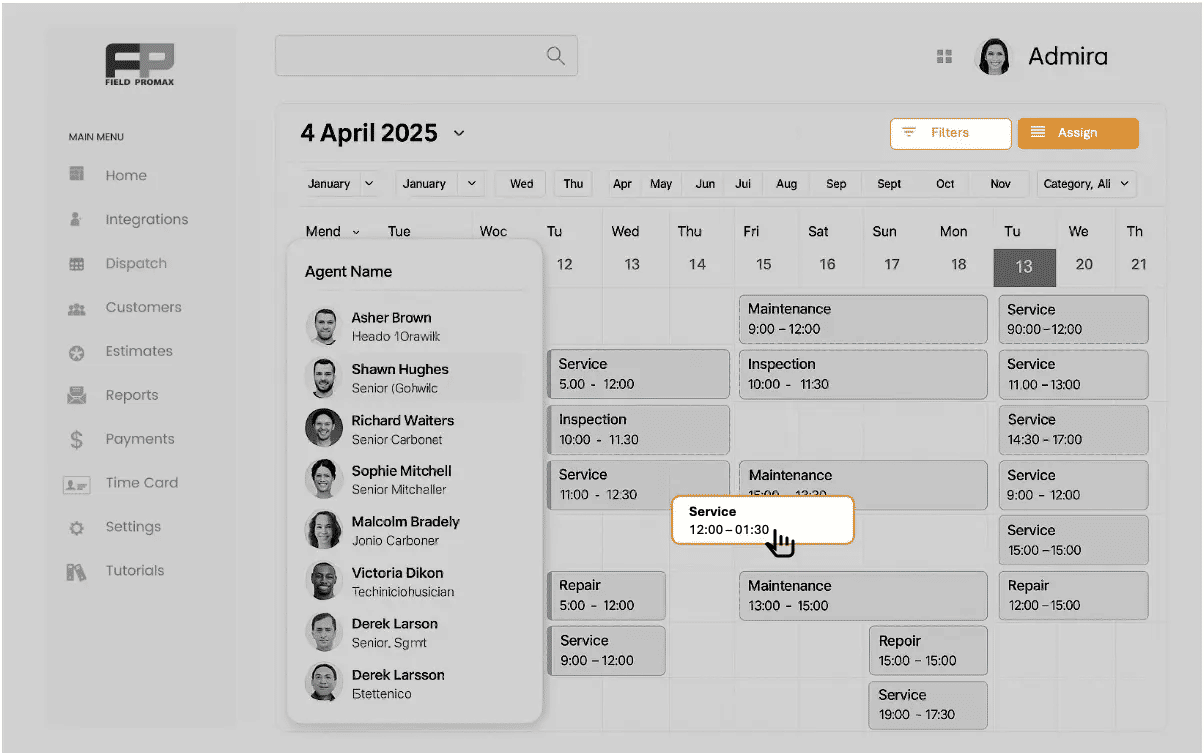
A planned maintenance calendar keeps all tasks clear and organized. Teams can schedule work based on seasons, weather, and how often the dock is used. This reduces surprise repairs and keeps the dock in good shape all year.
d. Eco-Friendly Materials and Methods
Using safe and eco-friendly materials is important for the water and the environment. Water-based sealants, gentle cleaners, and recycled composite decking protect the dock without harming nature. These materials last long, reduce waste, and keep the area healthy for marine life.
4. Why Trained Dock Service Teams Matter
Dock care becomes safer and more dependable when trained professionals handle the work. Skilled teams understand how docks react to water, weather, and daily use, which helps them protect the structure better.
a. Experts Know What to Look For
Trained workers can spot early signs of damage that most people cannot see. They know where cracks, rust, and loose parts usually begin. This helps fix problems before they get worse.
b. They Use Safe and Proper Methods
Professional teams follow correct safety steps. They handle tools the right way, work carefully near water, and know how to avoid accidents. This keeps both the workers and the dock safe.
c. Faster and Better Repairs
Experts can solve issues quickly because they understand how docks are built. They use the right tools and materials, which makes repairs stronger and more reliable.
d. Long-Term Cost Savings
Good care today prevents expensive repairs later. A trained team can stop small problems from turning into major damage. This helps dock owners save money and avoid sudden emergencies.
e. A Safe and Strong Dock for Years
When experts maintain the dock, it stays in better shape for a long time. Visitors can walk safely, boats can load without trouble, and the entire waterfront stays strong season after season.
.webp)
Conclusion
Dock and waterfront maintenance needs planning, care, and the right approach. Regular inspections, clean surroundings, safe work habits, and strong materials make the dock last longer. Small problems should never be ignored because they grow fast. With a skilled team, clear records, and good planning, your dock can stay in great condition all year and for many years to come.
Frequently Asked Questions

Content Creator
Bhargavi Halthore is a content writer at Field Promax, a field service management platform serving trades businesses across the USA and Canada. With over a decade of experience writing for business owners, she brings detailed, ground-level insight to every topic she covers. Her research goes beyond search results - she digs into LinkedIn groups, Facebook communities, and Reddit forums to understand what field service business owners are actually dealing with on the ground. She speaks directly with industry professionals, understands their day-to-day challenges, and translates that into content that is practical and actionable. What you read in her articles reflects real industry patterns, not theory.