25 Things You Must Know Before Starting, Running, and Growing a Plumbing Business
.webp)
Let’s be real. You know pipes. You know wrenches. You can probably fix a leaky faucet with your eyes closed. But running a plumbing business? That’s a whole different beast.
Starting a plumbing business sounds simple: get a truck, buy tools, and wait for the phone to ring but knowing how to start a plumbing business properly (and even how to start a plumbing business without being a plumber) is what separates success from struggle. But in reality, the plumbing is the easy part. The real headache is keeping the ship afloat, making sure you’re profitable, legal, and organized without pulling your hair out.
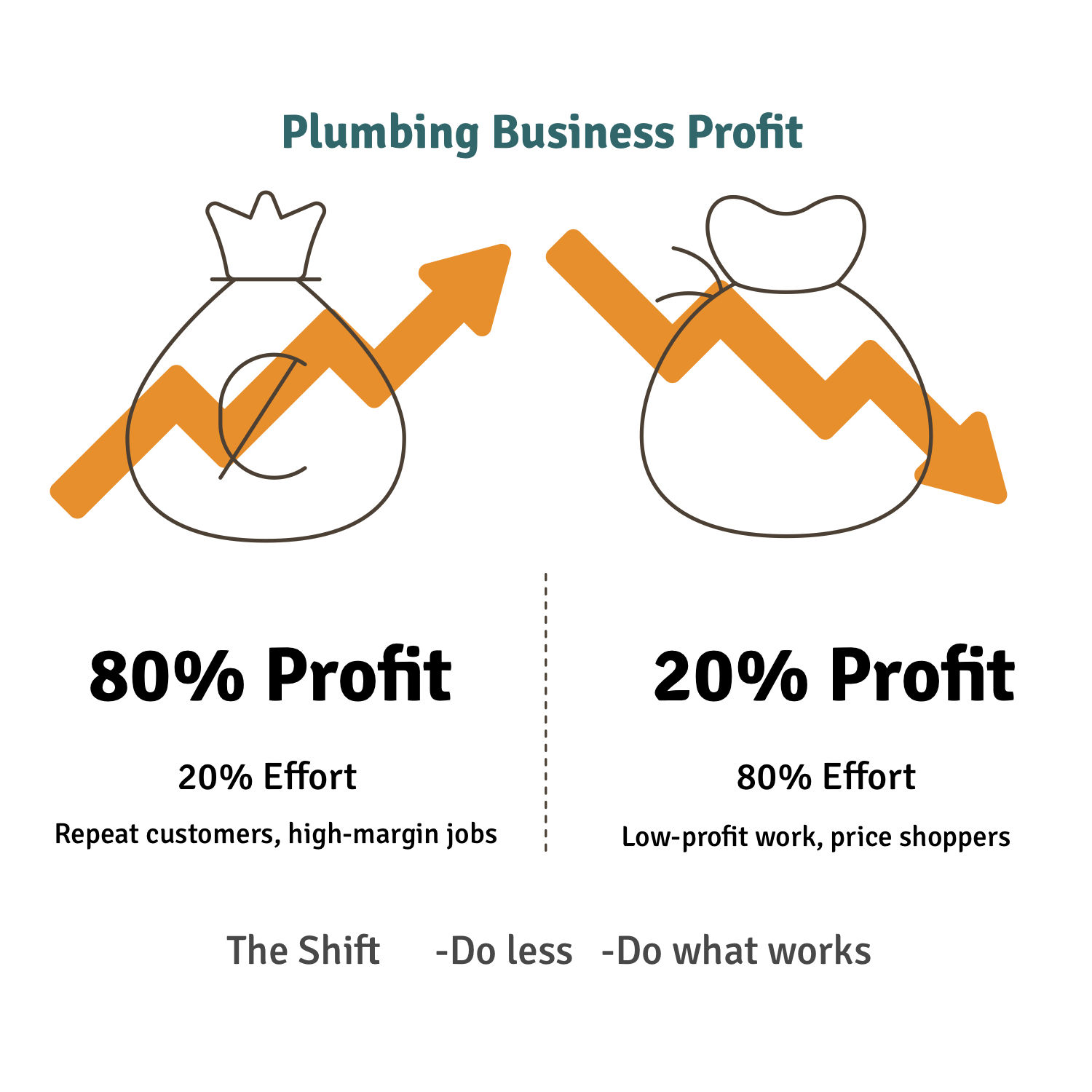
The opportunity is massive, though. The global plumbing fixtures market was estimated at $89.8B in 2023 and is projected to reach $120.9B by 2030. That’s a lot of porcelain and pipe! But many incredible plumbers still crash and burn as business owners, not because they lack talent, but because they underestimate what it takes to manage that growth.
So, grab a coffee (or something stronger), and let’s dive in. This is a straight-talking breakdown of what you need to know before you jump into the deep end. Whether you're flying solo or building a fleet, these insights will save you time, money, and a whole lot of frustration.
Part 1: The Reality Check
1. Is Starting a Plumbing Business Still Profitable in 2026?
Short answer? Heck yes. But, and this is a big "but," the profit doesn't just magically appear.
Think about it: Homes are getting older. Pipes are failing. People are always going to need toilets that flush. You’re in one of the few trades that can’t be outsourced to a robot or replaced by a YouTube tutorial. But while the demand is there, profitability depends entirely on how well you run the show.
Here is how you turn a profit without losing your mind:
-
Ditch the Paperwork: If you’re still using handwritten invoices and "I'll get to it when I get to it" scheduling, you’re basically throwing money down the drain.
-
Customer Experience is King: Focus on clear pricing and response times faster than a burst pipe. Don't make your customers want to scream!
-
Plug the Leaks: Use tools like Field Promax to see exactly where your money is leaking (pun intended). It's the secret weapon for fixing missed invoices and chaotic scheduling before they sink your ship.
2. Residential vs Commercial: Pick Your Poison
Choosing between residential and commercial work is like choosing between cats and dogs. Both are great, but they require very different care.
Residential usually means smaller jobs, faster payment, and dealing directly with homeowners (and their pets). You'll get more emergency calls, but the cash flow is quicker.
Commercial involves bigger contracts, more paperwork, and waiting longer to get paid. But the jobs are huge.
If you’re just starting out or learning how to start a plumbing business without being a plumber, residential is often the easier path. The barrier to entry is lower, and you see money sooner. Many successful companies start there and slowly add commercial work once they have their systems dialed in.
3. One-Man Plumbing Business vs Multi-Truck Company
A one-man plumbing business can be very profitable if expectations are realistic.
Pros of staying solo:
Staying solo means keeping your overhead lower than a limbo stick and having total control over every wrench turn. You’re the boss, the scheduler, and the star of the show. Plus, you never have to worry about a trainee accidentally turning a kitchen into a swimming pool! It’s the ultimate way to ensure top-notch quality without the massive headache of managing a crew.
Cons:
But going solo isn't all sunshine and open drains. Your income is tied to your working hours, so if you're sick, the money stops flowing. Forget that beach vacation unless you're prepared to shut down the whole operation. Plus, with no one to share the load, you're looking at seriously long hours and capped growth potential. It’s a tough gig being on call 24/7.
A multi-truck company faces new challenges when growing a plumbing business.
-
Hiring and training
-
Payroll and benefits
-
Scheduling complexity
-
Quality control
-
Management stress
However, it also unlocks scalability. With systems in place, owners can step back from daily service calls and focus on how to grow a plumbing business strategically. Many owners start solo, refine their processes, and then expand slowly using standardized documentation like a plumbing business profile template. The mistake is growing too fast without systems. That’s where chaos creeps in when running a plumbing business.
With the right tools and structure, scaling up can mean less stress and more freedom in the long run.
4. Busting the Biggest Myths
Let’s bust a major myth right now: being a great plumber does not automatically make you a great business owner.
Other lies people tell themselves:
-
"More jobs always equal more profit." (False. Unprofitable jobs just make you busy and broke.)
-
"I can fix cash flow by working harder." (Nope. You fix cash flow by billing faster.)
-
"Software is only for the big guys." (Actually, the little guys need it most to save time.)
Profit comes from efficiency, not just volume. Treat the operations side as seriously as the trade itself, and you’ll be ahead of 90% of the competition.
Part 2: Before You Start
5. What to Know Before Starting a Plumbing Business
Before registering a business or buying a truck, step back and evaluate readiness. Understanding what to know before starting a plumbing business can save thousands in costly mistakes. Key questions to ask yourself:
-
Do I understand basic business finances?
-
Can I handle customer complaints calmly?
-
Am I prepared for irregular income early on?
-
Do I have savings to cover slow months?
Starting a plumbing business is more than a career; it’s a lifestyle. You’ll manage marketing, scheduling, billing, and more. Plan ahead to set realistic expectations and build long-term success. Start small, stay smart, and focus on working on your business, not just in it.
6. Can You Start a Plumbing Business Without Being a Plumber?
Technically, yes, but it’s like trying to be a chef without ever tasting your food tricky, but not impossible. If you’re going this route:
-
Hire Wisely: You'll need to hire licensed plumbers to handle the actual plumbing work.
-
Trust and Leadership: This strategy requires strong leadership and a whole lot of trust in your team.
-
Capital: You’ll need more cash upfront to hire those experts.
-
Knowledge Gaps: Without plumbing experience, estimating jobs, setting prices, and ensuring quality control will be your new Everest.
-
Partner Up: Many successful non-plumber owners team up with an experienced master plumber. Find your plumbing guru and fill that knowledge gap fast
7. Can You Start a Plumbing Business Without a License?
In most U.S. states and Canadian provinces, you cannot legally operate without proper licensing. The question "Can you start a plumbing business without a license?" has a clear answer: not legally in most jurisdictions. Some regions allow unlicensed work under supervision, but the plumbing business itself typically needs:
-
A licensed master plumber
-
Proper permits
-
Proof of experience
-
Insurance and bonding
Operating without a license can lead to fines, lawsuits, and even shutdowns. Always check your local requirements before starting. Bottom line: stay licensed, stay legal
8. Skills You Need (That Aren't Plumbing)
Running a plumbing business requires skills that have nothing to do with pipes. Important non-technical skills include:
-
Basic sales and customer communication
-
Scheduling and time management
-
Cash flow planning
-
Conflict resolution
-
Hiring and delegation
Many owners struggle because they avoid these skills instead of learning them when starting a plumbing business. The good news is that systems and tools can simplify much of this work. For example, using digital work orders reduces miscommunication between office and field, even for small teams running a plumbing business.
%20(1).webp)
Part 3: Legal & Setup
9. Licenses, Certifications, and Insurance
To legally operate and scale a plumbing business, you must have the right licenses and insurance in place. At a minimum, most plumbing companies need:
-
Trade license: Confirms you’re qualified to perform plumbing work in your state or city.
-
Business license: Registers your plumbing business as a legal entity.
-
General liability insurance: Covers property damage, job-site accidents, and customer claims.
-
Workers’ compensation insurance: Required if you employ plumbers or apprentices, protecting both your team and your business.
-
Commercial vehicle insurance: Covers service vans that function as your mobile plumbing office.
Depending on your location and services, you may also need surety bonds, backflow prevention certifications, or gas fitting permits. Proper insurance doesn’t just protect the plumbing business it shields your personal assets from lawsuits and unexpected claims. Cutting corners on coverage may save money initially, but it often leads to costly setbacks when growing a plumbing business.
10. Registering Your Plumbing Business: LLC vs Sole Proprietor
| Aspect | Sole Proprietor | LLC (Limited Liability Company) |
|---|---|---|
| Ease of Setup | Simple and inexpensive to start | Slightly more paperwork and cost |
| Personal Liability | Little to no personal asset protection | Separates personal and business assets |
| Tax Impact | Taxes filed as personal income | Flexible tax options depending on setup |
| Suitability for Plumbing Businesses | Best for very small or low-risk operations | Most common choice for small plumbing businesses |
| Growth Potential | Limited as the business expands | Easier to scale and transition later |
| Long-Term Path | May need to change structure as business grows | Many owners later transition to a corporation |
11. Tools, Truck, and Equipment You Actually Need
New owners often overspend on equipment early when starting your own plumbing business. Essentials include:
-
Reliable service vehicle
-
Core hand tools
-
Drain cleaning equipment
-
Safety gear
-
Diagnostic tools
Nice-to-have items can wait. Focus on tools that directly generate revenue. Lost tools, duplicate purchases, and poor tracking quietly drain profits from your plumbing business. Investing in proper asset management can help you track and optimize the use of your tools, ensuring nothing goes to waste while keeping your operations running smoothly.
Part 4: Money
12. How Much Cash Do You Need?
Startup costs vary widely depending on location and scope, which is why many owners ask how much does it cost to start a plumbing business before committing. Understanding how much it costs to start a plumbing business helps you plan accurately. Common expenses include:
-
Licensing and permits
-
Vehicle purchase or lease
-
Tools and equipment
-
Insurance
-
Marketing and branding
-
Software and systems
A lean solo operation may start with under $25,000, depending on how much to start a plumbing business in your area. A fully equipped multi-truck company can exceed $100,000 when you consider how much to start a plumbing business properly. Planning conservatively helps answer how much does it cost to start a plumbing business and prevents financial stress later when running a plumbing business.
13. Monthly Operating Costs Most New Owners Forget
Many new plumbing businesses underestimate ongoing expenses, skewing expectations around how much does it cost to start a plumbing business long term when calculating how much it costs to start a plumbing business. Often overlooked costs include:
-
Fuel
-
Vehicle maintenance
-
Software subscriptions
-
Accounting fees
-
Advertising
-
Replacement tools
-
Taxes
Without tracking these expenses monthly, pricing quickly falls out of sync with reality when running a plumbing business. Using a centralized platform for scheduling, invoicing, and job tracking helps owners see true operating costs clearly and grow a plumbing business sustainably.
14. How Long Before a Plumbing Business Makes Money?
Profit timelines vary, but most new plumbing businesses take several months to stabilize. Early stages often involve:
-
Inconsistent job volume
-
Marketing experimentation
-
Pricing adjustments
-
Learning curves
Some owners break even within three to six months when starting a plumbing business. Others take a year or more, especially if overhead is high. The key is controlling expenses early and billing promptly. Delayed invoices delay income when running a plumbing business. Below is a simplified overview:
Startup Cost Ranges and Break-Even Timelines
| Business Type | Estimated Startup Cost | Typical Break-Even |
|---|---|---|
| Solo plumber | $15,000 to $30,000 | 3 to 6 months |
| Small team | $40,000 to $70,000 | 6 to 12 months |
| Multi-truck | $80,000+ | 12+ months |
Businesses that track jobs and invoices consistently tend to reach profitability faster when growing a plumbing business.
15. How to Price Plumbing Jobs (Labor, Materials, and Markup)
Pricing is where businesses quietly fail. Too low, and you're busy but broke. Too high, and you can't close a job.
Strong pricing includes three things:
-
Labor: Not just hourly pay, but taxes, benefits, and downtime.
-
Materials: Add a markup! It covers sourcing time and warranty risk.
-
Overhead & Profit: Rent, software, fuel, and admin time must be baked in.
Profit comes last, not first.
16. What a Plumbing Business Plan Must Include
A plumbing business plan does not need to be fancy, but following a clear plumbing business plan template keeps decisions practical. It needs to be usable. At a minimum, Your plumbing business plan should clearly define key decisions and pair with a plumbing business profile template for onboarding, marketing, and partnerships:
-
Target Customers: Small- to medium-sized businesses, startups, and entrepreneurs looking to grow their online presence and generate leads through digital marketing.
-
Services Offered: Content writing, SEO, website content, blog writing, social media content, digital marketing consultation, and brand messaging tailored to business goals.
-
Pricing: Flexible models including retainers, project-based pricing, and custom packages based on client needs.
-
Expenses: Monthly costs include content tools, SEO software, hosting, marketing, freelance support, and operational basics like internet and subscriptions.
-
Revenue Goals: Drive consistent monthly growth by securing long-term clients, increasing project value, and expanding services.
-
Marketing: Use SEO, social media, email outreach, content marketing, referrals, and LinkedIn to attract clients.
-
Hiring Plan: Start with a small core team and hire freelance writers, designers, and SEO specialists as demand grows.
The purpose is not to impress investors. It is to help you make better decisions when money gets tight or growth opportunities appear while growing a plumbing business. If you cannot explain your plumbing business plan in plain language, it is too complicated.
17. Plumbing Business Plan Template (Free & Editable)
Most plumbing business plans fail because they’re written once and ignored, instead of being built from a flexible plumbing business plan template. A good plan should be a clear, practical tool you revisit to guide decisions. Here’s what it should include:
-
Who you serve and where: Define your service area, target customers (e.g., homeowners or property managers), and key problems you solve.
-
Core services: Focus on your main offerings like repairs, drain cleaning, or emergency services; don’t list everything.
-
Pricing: State your method (flat rate, hourly, or both) and account for labor, materials, overhead, and profit.
-
Customer acquisition: Highlight effective marketing channels like Google Business Profile, referrals, or vehicle branding.
-
Daily operations: Outline job scheduling, dispatching, invoicing, and follow-ups to avoid inefficiencies.
-
Key metrics: Track revenue targets, average job value, and your break-even point to guide growth.
Review and update your plan regularly to stay flexible and intentional in growing your business.
PART 6: RUNNING THE BUSINESS
18. How to Run a Plumbing Business Day to Day
Daily operations are where most stress lives when learning how to run a plumbing business. A typical day involves:
-
Reviewing the schedule
-
Confirming jobs
-
Dispatching technicians
-
Handling customer calls
-
Managing invoices
-
Solving unexpected issues
Without structure, plumbing business owners spend their days reacting instead of leading. Establishing clear routines makes a difference: begin each day by reviewing jobs and priorities, end by checking completed work and invoices, and conduct weekly reviews of revenue and issues. Consistency, not intensity, is key to effectively managing and growing a successful plumbing business.
19. Scheduling, Dispatching, and Invoicing Without Chaos
Scheduling is not just about filling time slots. It is about minimizing wasted hours when running a plumbing business. Common problems include:
-
Double-booking
-
Long drive times
-
Missed appointments
-
Forgotten invoices
Ever feel like you’re spinning plates while riding a unicycle? Using one system for scheduling, dispatching, and invoicing stops the madness.
With a tool like Field Promax, your techs can update job statuses in real time, meaning no more "where are you?" phone calls. It keeps your jobs and invoices in one place, cutting down on those nasty end-of-day surprises. Less time chasing paper, more time high-fiving happy customers!
How to Get Your First Plumbing Customers Without Big Ad Spend
Early customers usually come from trust, not ads. Effective low-cost strategies include:
-
Google Business Profile optimization - Ensure your business is easy to find, with accurate contact details and service hours.
-
Ask for reviews after every job - Positive reviews build trust and can boost your rankings online.
-
Referrals from realtors and contractors - Tap into their trusted networks for consistent leads.
-
Yard signs and wrapped vehicles - Make it easy for potential customers to notice and remember you.
-
Local Facebook and community groups - Build relationships and promote your services where your neighbors hang out online.
The goal is visibility and credibility. One satisfied customer often leads to several more. Avoid chasing every marketing trend. Focus on what your local customers actually use.
Part 7: Growth and Scale
21. How to Grow a Plumbing Business Sustainably
Growth should reduce stress, not multiply it when trying to grow my plumbing business sustainably when learning how to grow a plumbing business. Sustainable growth focuses on:
-
Consistent service quality
-
Predictable scheduling
-
Reliable cash flow
-
Clear roles
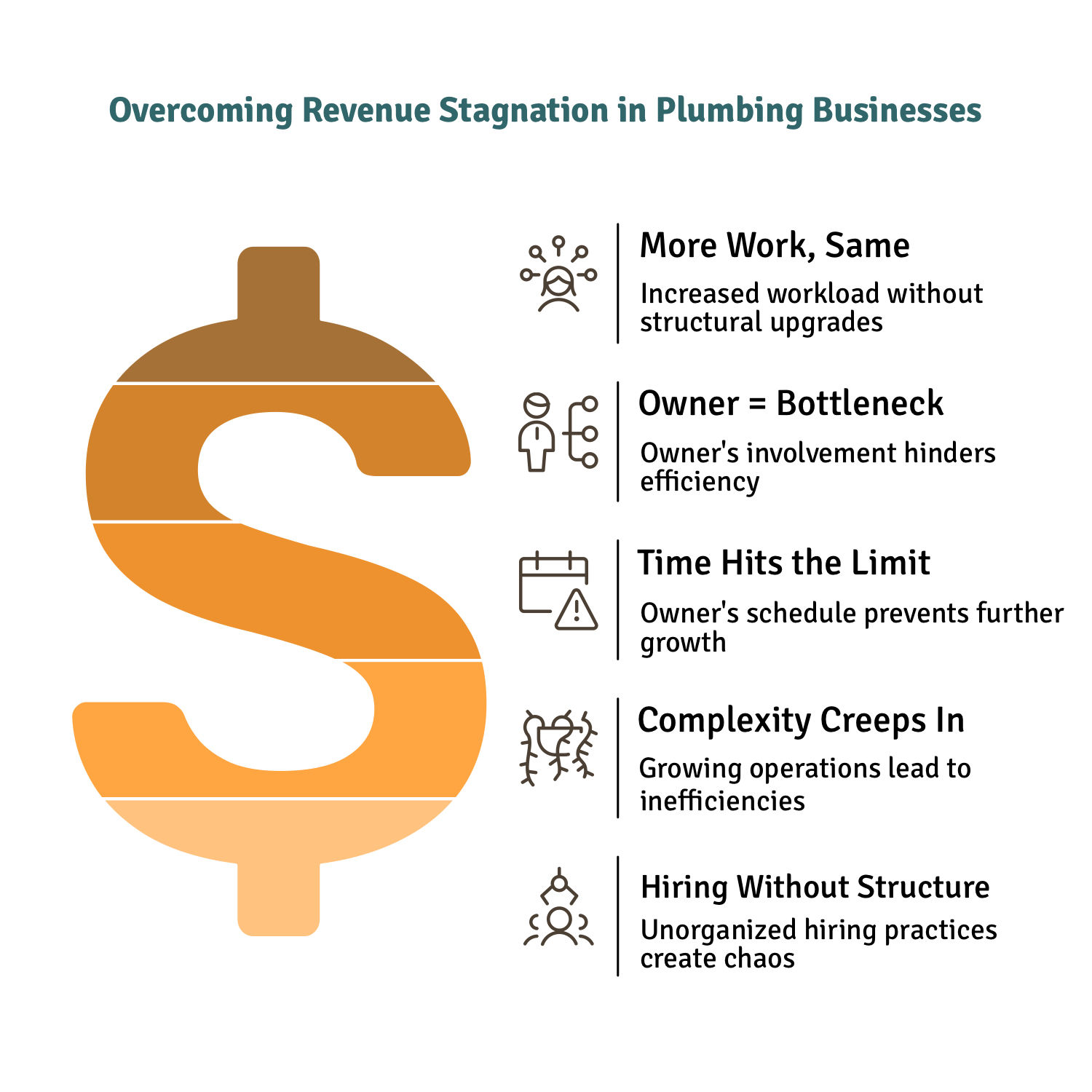
Many businesses grow too fast and lose control while trying to grow my plumbing business without systems. Slower growth with strong systems almost always wins long-term when you grow your plumbing business strategically. If adding work means longer days and more mistakes, something needs fixing before expanding your plumbing business.
22. When to Hire Your First Plumber
Hiring too early strains cash flow. Hiring too late burns you out when growing a plumbing business. Common signs it is time to hire include:
-
You are booked weeks out.
-
You turn down profitable jobs.
-
You work nights and weekends constantly.
-
Customer service starts slipping.
Your first hire does not need to be perfect. They need to be reliable and trainable. Documenting processes early makes hiring easier later when you grow your plumbing business.
23. From One Truck to Five Plus: What Changes Operationally
Going from one truck to a whole fleet is like going from a one-man band to conducting a full orchestra. Suddenly, you're juggling schedules, trying to keep service quality consistent across the board, and dealing with payroll. It's a whole new ball game!
New challenges pop up like leaky faucets, including:
-
Coordinating schedules
-
Maintaining quality control
-
Managing payroll
-
Tracking performance
-
Clear communication
-
Conflict resolution
The systems that worked when it was just you and your truck won't cut it anymore. What was perfectly organized in your head is now chaos across multiple plumbers. Successful businesses standardize their operations before adding more trucks, not after.
Putting strong systems in place early on is like having a GPS for your business growth. It puts you in the driver's seat, ready to expand with confidence.
Part 8: Systems and Software
24. Why Systems Matter
Skill gets you started. Systems keep you profitable when growing a plumbing business. At scale, owners cannot personally oversee every job. Systems create consistency even when you are not present. Strong systems help with:
-
Customer communication
-
Billing accuracy
-
Technician accountability
-
Performance reviews
Without systems, growth feels like spinning plates when running a plumbing business.
25. The Tech Stack
Modern plumbing businesses rely on software to stay competitive. You need tools for:
-
Scheduling: Visual schedules to reduce travel time.
-
Dispatch: Clear job details to prevent mistakes.
-
Invoicing: Faster billing for better cash flow.
As teams grow, manual processes break down. Using an all-in-one platform like Field Promax helps you replace scattered tools with one system, making growth smoother and less stressful.
Final Thoughts: Build It Right
Starting and growing a plumbing business isn't just about knowing the trade. It's about making hundreds of small decisions correctly, over and over again.
The plumbers who win long-term aren't always the most skilled with a wrench. They're the ones who price confidently, track their work, manage cash flow, and put simple systems in place.
You don't need to do it all at once. Start with clarity. Know your costs. Get your scheduling under control. As you grow, lean on systems instead of your memory. With the right structure (and maybe a little help from Field Promax), you can scale without losing your mind or your weekends.