Commercial Fire Sprinkler System Cost Overview
Commercial Fire Sprinkler & Alarm System Cost Calculator (2026)
Whether you are budgeting for a retrofit or preparing for new construction, using a commercial fire sprinkler system cost calculator is the smartest way to estimate expenses before the bills spiral out of control.
Here is a fire alarm system installation cost calculator to help you forecast the total cost with clarity. The guide covers state-level pricing, examples, and a calculator that works for your square footage, system type, and project scope.
If you manage installations or run a fire safety company, this guide will assist you in understanding the complete commercial fire alarm installation cost and sprinkler prices all in one spot.
Commercial Fire Sprinkler & Alarm System Cost Calculator
Find your project cost in 5 steps
Important Note
This calculator estimates a combined fire sprinkler (NFPA 13) and fire alarm (NFPA 72) system using 2026 U.S. commercial fire-protection cost ranges. Final pricing varies with site conditions, water supply, local codes, and contractor markup. Use it to budget and sanity-check quotes, not as a binding estimate.
What's your building size?
Enter the total square footage requiring fire protection. We'll price the sprinkler and alarm systems together.
Square feet (e.g., 5000)
How much does a commercial fire sprinkler system cost in 2026?
Let's talk actual numbers. The average cost for a commercial fire sprinkler system in 2026 runs from $2 to $7 per square foot in new buildings. For retrofits or more complex layouts, expect it to run higher, and that's only the beginning.
Here’s what your price tag really depends on:
- System type (wet, dry, pre-action, deluge)
- Size of the building and ceiling height
- Hazard classification (light, ordinary, extra)
- Material and labor costs in your state
- Access to the water supply and upgrade
- Permits and inspection rules
Example:
Installing a sprinkler system in a 10,000-square-foot office in Texas could cost anywhere from $35,000 to $40,000. Protect a high-hazard storage facility in California, though, and the cost can climb to $90,000 or more.
Pro tip: Use the commercial fire sprinkler cost calculator to enter the specifications of your building and receive an estimate that is tailored to your needs before requesting estimates.
What about fire alarm systems? How much do they cost to install in 2026?
Now let's take a look at the cost of alarm systems. In 2026, the average commercial fire alarm system costs range from $1 to $6 per square foot. The estimate includes labor, devices, wiring, and the control panel setup. Our fire alarm system installation cost calculator factors in your device count, zones, and wiring length to sharpen that estimate.
What really drives up or down your fire alarm installation cost?
- How many devices you're installing (smoke detectors, pull stations, sounders, strobes)
- The number of zones your facility requires
- Complexity of wiring (more square footage means more wire)
- Compliance with the codes and inspection standards in your state
- Smart features such as remote monitoring or voice evacuation
Example:
A typical office space that is 5,000 square feet can be equipped with a fire alarm installation price of between $10,000 and $20,000. A hospital or school that has zoning problems might see prices as high as $60,000 or more.
Installation doesn't only involve connecting alarms to the wall. It also involves mapping zones, meeting codes, pulling permits, and getting through inspections. It all adds up.
What factors influence the overall fire system installation cost?
Whether you're installing sprinklers, alarms, or both, the total cost of a commercial fire system depends on more than just square footage. A lot more.
Here’s what really moves the needle:
1. System Type
Wet sprinkler systems are cheaper than dry or pre-action systems. Likewise, conventional alarms cost less than addressable or smart systems.
2. Project Scope
Are you building from scratch or retrofitting an old office? Retrofitting often requires demolition, rerouting, and creative wiring. That’s time and money.
3. Building Layout
High ceilings, complex floor plans, or split levels all increase labor and material costs. Longer cable runs and more lift equipment usually mean higher bills.
4. Local Codes and Permits
Some states have stricter fire codes and inspection requirements, which can increase both installation time and red tape costs.
5. Labor Rates in Your State
Fire protection contractors in California do not charge the same as those in Arkansas. State-by-state wage differences matter.
6. Device Count and Density
A warehouse may need fewer alarm devices per square foot than a hospital or school. The more components you install, the higher your total commercial fire alarm system cost.
This is why two buildings with the same size can have very different installation costs. It is never just about square footage. It’s about what’s inside, how it’s built, and where it’s located.
What are typical fire system installation costs by state?
Let’s zoom in on what fire system installation actually costs across the U.S. in 2026.
Commercial Fire Sprinkler System Costs
For most U.S. commercial projects, installing a fire sprinkler system costs between $1.50 and $8.00 per square foot.
- New builds usually sit at the lower end, around $1.50 to $3.00 per square foot.
- Retrofits tend to cost more, between $2.00 and $7.00 per square foot, depending on access and ceiling structure.
- Specialized systems like dry or pre-action types run $3.00 to $6.00 per square foot.
- High-hazard systems can reach $8.00 per square foot, especially in manufacturing or chemical facilities.
In Texas, businesses see a wide range:
- Statewide averages land around $2.00 per square foot.
- Austin-area projects cost more, often $4.60 to $9.60 per square foot, especially on upscale or large-scale builds.
- In San Antonio, costs tend to hover between $1.80 and $2.30 per square foot.
Commercial Fire Alarm System Costs
Here’s what commercial fire alarm systems are running in 2026.
- Basic systems: roughly $1.00 to $2.00 per square foot.
- Typical commercial installations range from $3.00 to $6.00 per square foot, depending on complexity.
- Smaller properties like shops and cafés usually run $2.00 to $4.00 per square foot.
- Retrofits or larger buildings can reach $10.00 or more per square foot when wiring or zoning is complicated.
- On a flat-rate basis, a complete fire alarm installation typically runs $2,000 to $10,000 or more.
These numbers can vary depending on your location, local fire codes, and whether your building needs smoke detection, voice evacuation, monitoring, or special features.
Why Full State-by-State Numbers Are Rare
The majority of data published gives national averages, or just a few important cities (like Austin or San Antonio). Few sources provide locked-in rates for all states. Contractors typically offer quotes that are based on local labor costs, materials, and building requirements specific to the project.
To get more local pricing:
- Refer to quotations from licensed contractors
- Make sure to check regional associations for fire safety or local building authorities.
- Use the cost calculator above and adjust it to reflect your local labor and permit costs.
How to Use the Fire System Cost Calculator Like a Pro
This isn’t your average online estimator. Cost calculators are built for real-world field work, so you can plan labor, materials, and compliance with more accuracy. Here’s how to make it work for you:
Start with What You Know
- Enter the total square footage of your job site or building.
- Add the number of fire alarm devices required.
- Note the number of fire alarm zones.
- Estimate the wiring length involved.
- Choose the system types you're installing, wet, dry, pre-action, or deluge for sprinklers; conventional through smart for alarms.
- Select your building type and location to factor in local cost differences.
Adjust for Local Factors
- Labor costs vary by region. In high-wage or union markets, expect to pay an additional 15% to 25%.
- The fees for inspections and permits vary depending on the county or city. Contact the municipal fire marshal.
- Costs for materials can vary based on the location and supply chain.
Use the Estimate Strategically
- Compare vendor quotes to spot inflated pricing.
- Build a rough proposal for investors or internal teams.
- Get early clarity on project feasibility.
- Weigh the difference between new installs and retrofits.
The calculator gives you a strong starting point. Use it to make smarter decisions and fine-tune your numbers as you gather quotes from licensed contractors.
Example: Calculating Installation Costs for a Mid-Size Commercial Property
Let’s say you’re managing a 5,000 square foot office building and you want to install both a fire sprinkler system and a commercial fire alarm system.
You enter:
- Square footage: 5,000 sq ft
- Building type: Office
- Location: Texas
- Sprinkler system type: Wet pipe
- Hazard classification: Light
- Alarm system type: Standard addressable
- Fire alarm zones: 3
- Alarm devices: 12
- Wiring estimate: 1,500 feet
The estimate comes out to:
- Fire sprinkler system: approx. $2.50 per sq ft → $12,500
- Fire alarm system: approx. $17,600 (≈$12,500 materials + $5,100 labor for zones, devices, and wiring)
- Subtotal: $30,100
- Permits & inspections: approx. $1,200
- Contingency (10%): approx. $3,010
- Total estimated cost: approx. $34,310
That figure already folds in permits and a 10% contingency. Step up to a smart or advanced addressable alarm panel, add union labor, or move to a stricter-code state, and the total climbs from there.
Final adjusted estimate:
Budget roughly $38,000 to $42,000 for a fully featured install, depending on system features, labor market, and contractor markup.
How a Simple Calculator Wins You More Jobs
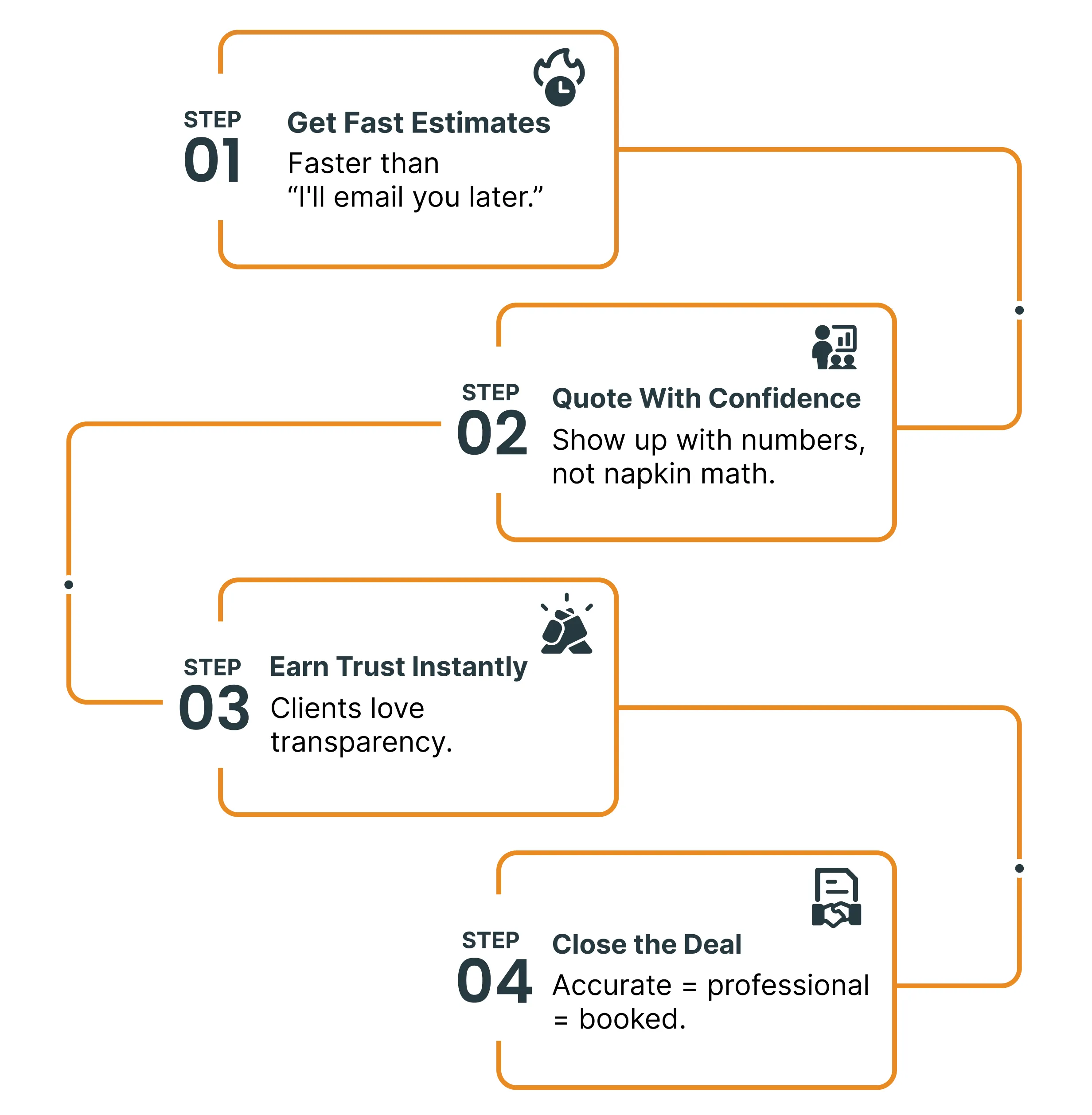
A cost calculator doesn't just save time, it builds trust and closes more jobs.
How to Cut Costs Without Cutting Safety: Fire System Budget Tips
Fire protection is essential, but that doesn’t mean you have to drain your entire budget. Here’s how business owners and field managers can trim fire system installation costs while staying fully compliant:
1. Choose the Right System for Your Risk Level
- Wet systems are affordable and easy to install, great for standard office spaces.
- Dry or pre-action systems are more expensive but necessary in areas where pipes may freeze or accidental discharge could be costly.
- Ensure the system you select matches your environment. Avoid paying for unnecessary features.
2. Combine Projects When It Makes Sense
If you are installing both sprinkler and fire alarm systems, do them together. You’ll reduce labor hours, streamline inspections, and may qualify for bundled permits in some states.
3. Get Multiple Quotes from Local Pros
Always compare quotes from at least three licensed fire protection contractors. Even within the same state, labor rates can vary by 15 to 40 percent.
4. Use Pre-Fabricated Materials When Available
Pre-assembled pipes and fittings save installation time and reduce errors. Ask contractors if prefab is an option for your setup.
5. Time It Right
Avoid last-minute installs. Scheduling during off-peak times, like late fall, can reduce overall costs. Contractors often offer better rates when crews are more available.
6. Don’t Skip the Walkthrough
Skipping a site walkthrough may seem like a time-saver, but it can lead to unexpected costs. A proper walkthrough ensures accurate quotes and fewer change orders later.
7. Handle Permits Early
Permit delays stall entire projects. Begin the process at least 4 to 6 weeks in advance. If your area offers expedited review, check if paying a bit extra now saves money later.
Why does investing in a commercial fire sprinkler system pay off long-term?
Installing a fire sprinkler system might feel like a heavy upfront expense, but it’s one of those business decisions that protects more than just the building.
Here’s what you actually gain:
1. Significant risk reduction
According to the NFPA, sprinkler systems reduce property damage by up to 75 percent and lower the risk of death in a fire by about 87 percent. Those numbers are hard to argue with.
2. Lower insurance premiums
Insurance companies reward low-risk buildings. A sprinkler system can lead to discounts of 10 to 20 percent on the fire portion of your commercial property insurance.
3. Faster business recovery
Fires don't just cause damage. They cause downtime. A sprinkler system helps contain the damage quickly so your business can get back to work sooner.
4. Code compliance and better reputation
Many local building codes require sprinklers for specific commercial properties. Installing them keeps you compliant and sends the right message to clients, tenants, and regulators.
5. Peace of mind
Fires don’t give warnings. Sprinklers don’t need one. Knowing your system is ready to respond at any hour makes ownership a little less stressful.
In short, a commercial fire sprinkler system is more than a safety feature. It is a long-term investment in your people, your operations, and your reputation.
Final Thoughts: Plan Smarter, Spend Better
Whether you're managing a fire safety field crew or overseeing multiple facilities, budgeting for a fire protection system shouldn’t feel like a shot in the dark. With the proper tools and clear data, you can figure out both the commercial fire sprinkler systems cost and the installation costs of a fire alarm system quickly and accurately.
The calculators and insights that are above do not only focus on numbers. They can help you make better decisions. From understanding the pricing of your state to reducing expenses without running the risk of not being compliant, all of the information we've provided is designed to assist you in planning, quoting, and constructing safer environments more efficiently.
Now that you’ve got the knowledge, you’re just one calculation away from clarity.
From cost estimate to closed job
Field Promax helps fire-protection and life-safety contractors schedule inspections, dispatch technicians, track NFPA work orders, and invoice customers, all from one platform. Trusted by field service businesses across the USA and Canada.
Book my free demo