How Digital Reporting and Real-Time Data Improve Pest Control Efficiency
.webp)
The pest control industry is changing fast. Companies handle many jobs in one day. Customers want quick updates and clear proof of work. Commercial sites ask for complete reports. When work is done on paper, notes can get lost, handwriting may look unclear, and chemical details may be missed. This leads to confusion between office staff and field technicians. It also causes mistakes during audits and slows down service.
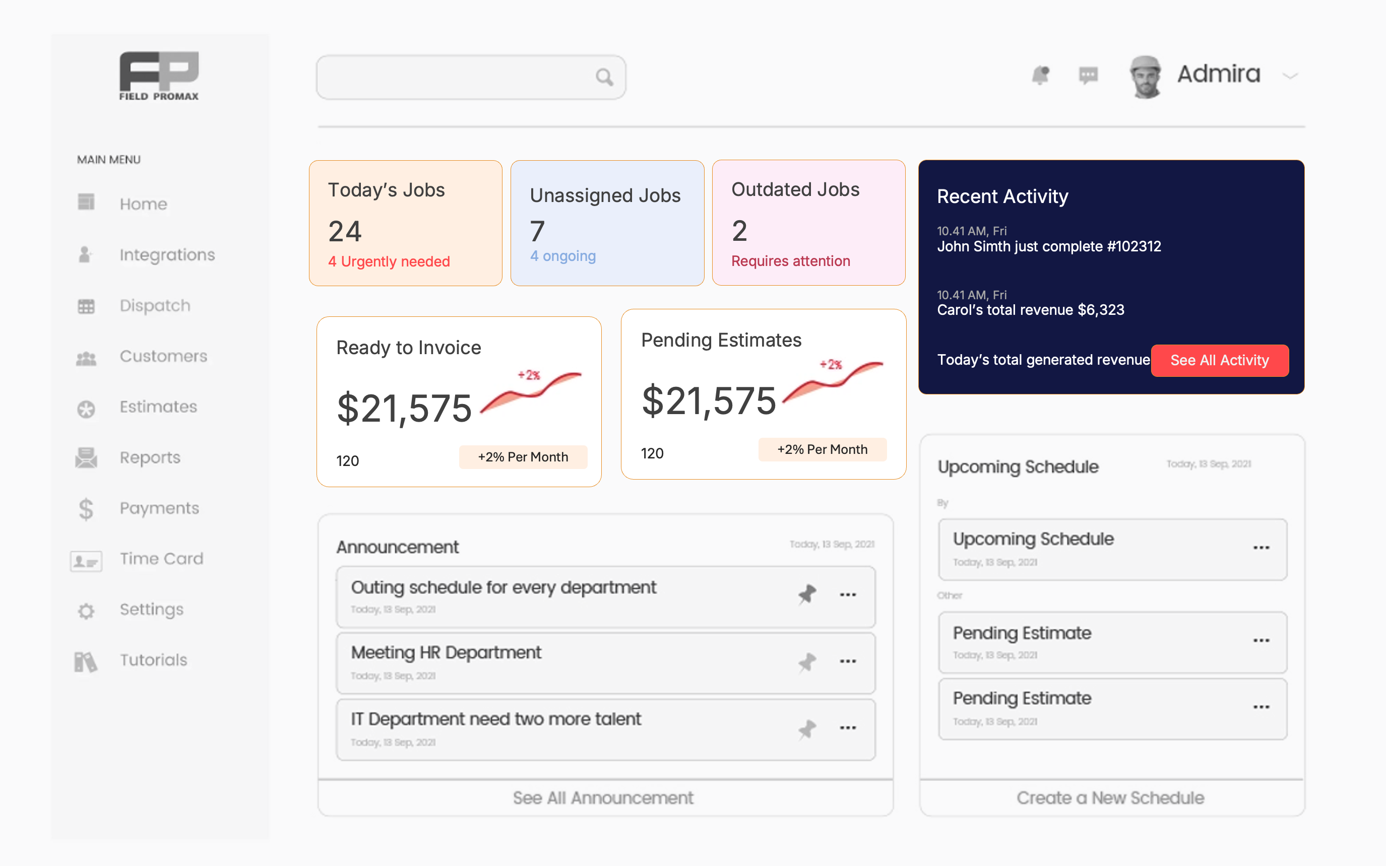
Digital reporting and real-time data solve these problems. These tools help teams work faster, avoid manual errors, and store records in one place. Platforms like Field Promax allow professional pest control teams to schedule jobs, take photos, record chemical usage, collect signatures, and share reports instantly.
Everything stays saved automatically, which keeps the workflow smooth from start to finish. The pest control market itself continues to expand. It was valued at around USD 27.8 billion in 2024, and some forecasts project this will grow to approximately USD 37.3 billion by 2033, with a CAGR of about 3.98 percent between 2025 and 2033.
This article explains how digital reporting and live data improve work quality, field coordination, compliance, customer experience, and business growth.
Why Pest Control Needs Digital Tools Today
A pest control job looks simple from the outside. The technician checks the site, finds pests, treats the area, and leaves. But real work needs more steps. It includes inspection, taking photos, recording chemicals, safety notes, customer signatures, and follow-up advice. When a company handles ten to fifty jobs daily, paperwork becomes stressful. Small mistakes become big issues later.
Digital reporting makes work easier. Instead of writing long notes by hand, the technician fills a digital form on a mobile device. The form guides them step by step, so nothing is missed. Photos are attached, chemical dosage is recorded, and notes are stored neatly.
When the technician submits the report, the office gets it instantly. There is no waiting until evening and no repeated phone calls. Information reaches the team at the right time, which helps make faster decisions.
1. Digital Reporting Improves Work Quality
The biggest benefit of digital reporting is consistency. Every technician follows the same checklist. Service quality stays uniform across all sites. The form guides the technician so there is no confusion.
A digital report usually includes: • Inspection notes and entry point details • Before and after photos for proof • Pest type and activity level • Chemical name and dosage used • Safety steps and follow-up advice
This reduces human error and prevents missed information. One pest control company in the United States reported fewer customer complaints after using photo-based reports. Customers trusted visual proof because they could see what work had been done.
This creates a reliable workflow for pest control services, especially during high-volume seasons or commercial site inspections. This prevents incomplete reports. All reports are stored online and can be accessed anytime.
2. Compliance And Safety Becomes Easier
Pest control teams work with chemicals that must be documented carefully. Missing safety notes or wrong chemical records can cause legal problems. Paper fades, tears, or gets lost. Digital files do not. Stay safe online. Chemical logs are saved automatically, and signatures are collected on mobile devices.
During audits, teams can search reports by customer name, date, or service type. Documents download within seconds. No need to dig through files. This saves time and shows professionalism.
3. Real-Time Data For Better Field Operations
Real-time tracking helps the office see what is happening in the field. Managers no longer make constant phone calls to ask for status. They can see who is working, who is free, and who is near a new job. This makes scheduling faster and reduces waiting time.
With real-time data, companies can:
• Assign jobs quickly
• Reduce back-and-forth communication
• Track technician location with GPS
• Update customers about arrival and completion
For example, if a food warehouse reports rodent activity, the office can assign the nearest technician with one click. The technician receives details instantly and reaches faster. This builds trust and improves service quality.
.webp)
4. Faster Response And More Jobs Completed Each Day
Live field visibility helps balance workload. If one technician finishes early, the office can assign another job nearby. Travel distance reduces, and fuel is saved. More jobs can be completed per day without hiring extra staff.
If a customer changes timing or requests extra service, technicians get updates on their phone. They do not need to return to the office. Work continues without delay.
5. Instant Quality Control
Supervisors can view photos and notes in real time. If something looks incomplete, they can guide the technician before they leave the site. This prevents rework and ensures quality.
Digital systems also record:
• Job start and finish time
• Materials and chemicals used
• Pest activity level
• Recommendations for next visit
This builds accountability. Technicians understand what is expected. Managers can train staff better and reward good performance based on actual data.
6. Data Helps With Planning And Preventive Maintenance
Every digital report becomes helpful data. Over time, patterns become clear. Companies learn which pests appear in which season or which sites need more care.
Example:
If a warehouse shows rodent activity every three months, the data highlights it. Instead of waiting for the next complaint, the company can offer preventive service plans. This keeps the warehouse safe and also brings recurring income.
Data also helps prepare for peak seasons. For example, termites increase during warm months. Digital history helps companies stock materials early and plan manpower better.
7. Revenue Control And Financial Clarity
Digital reporting helps track time spent on jobs, chemicals used, and travel distance. This data helps managers make financial decisions with clarity.
Pest control companies can:
• Find services that give higher profit
• Reduce chemical waste
• Plan fuel and travel routes
• Forecast stock needs
• Track recurring customers for contract plans
Business decisions become data-based instead of guesswork.
8. Seamless Documentation For Audits
Commercial clients like restaurants and pharma units demand strict records. They may ask for chemical usage logs and treatment history at any time. Searching paper files is slow and stressful.
Digital reports can be exported within minutes. Files stay organized by date and site. Audits become simple and fast. This becomes a strong selling point for winning commercial contracts.
9. Better Customer Experience
Customers want clarity. When they receive a digital report with photos, chemical details, and follow-up advice, they feel informed and secure. This builds trust and improves retention.
Digital reports allow customers to:
• Get reports on phone or email instantly
• See proof of work through photos
• View past service history anytime
• Follow safety and preventive tips easily
A clear report improves brand image. Customers feel satisfied and recommend the service to others.
10. Business Growth Through Automation
Paper slows reporting, billing, and follow-ups. Digital systems send reminders, generate invoices, and update records automatically. Office teams save time and reduce manual work.
Automation helps businesses grow because:
• No follow-ups are missed.
• Payments come faster.
• More jobs are completed per day.
• Expansion does not require heavy hiring
Software handles routine tasks. Teams focus on service quality instead.
What This Means For Pest Control Companies
Daily pest control work involves scheduling, chemical safety, customer reports, and site visits. Digital tools make all of this easier. Platforms like Field Promax bring scheduling, reporting, GPS tracking, invoices, and records together in one dashboard.
Digital tools do not replace technicians. They support them. They help record work in a clean and simple way. Technicians feel confident, managers get better control, and customers receive clear reports. With better data and automation, pest control businesses can complete more jobs each day, maintain compliance, improve customer satisfaction, and grow faster.
Conclusion
Digital reporting and real-time data are no longer optional. They are important for fast and accurate pest control work. With instant reporting, live job tracking, and safe data storage, companies save time and improve quality.
The biggest benefit is clarity. Teams know what to do, customers understand what was done, and decisions become faster. Digital workflows reduce effort, increase efficiency, and support long-term growth. For pest control companies that want to scale, going digital is the smart step today.
.webp)